Walking into a Chinese restaurant for the first time can feel like opening a book in another script, another logic, and another food culture all at once. The menu may be long, beautifully named, and completely opaque if you do not read Chinese.
That does not mean you need to guess randomly. Chinese menus follow patterns. Once you understand how dishes are named and grouped, you can make much better choices even with limited language skills.
Why many Chinese dish names do not translate literally
In English-speaking restaurants, dish names often lead with the main ingredient: "grilled salmon," "chicken salad," "beef soup." Chinese menus frequently work differently.
A name may describe:
- Cooking method — stir-fried, braised, steamed, dry-fried
- Flavor profile — sweet and sour, garlic, spicy, pickled
- Origin or style — Sichuan, Cantonese, Dongbei, Hunan
- Poetic or historical reference — "ants climbing a tree," "lion's head," "crossing the bridge noodles"
So a literal translation can sound strange or meaningless while hiding the actual ingredients. A dish called "fish-fragrant eggplant" may contain no fish at all. The name refers to a sauce style originally used with fish dishes.
This is one of the biggest sources of misunderstanding for travelers.
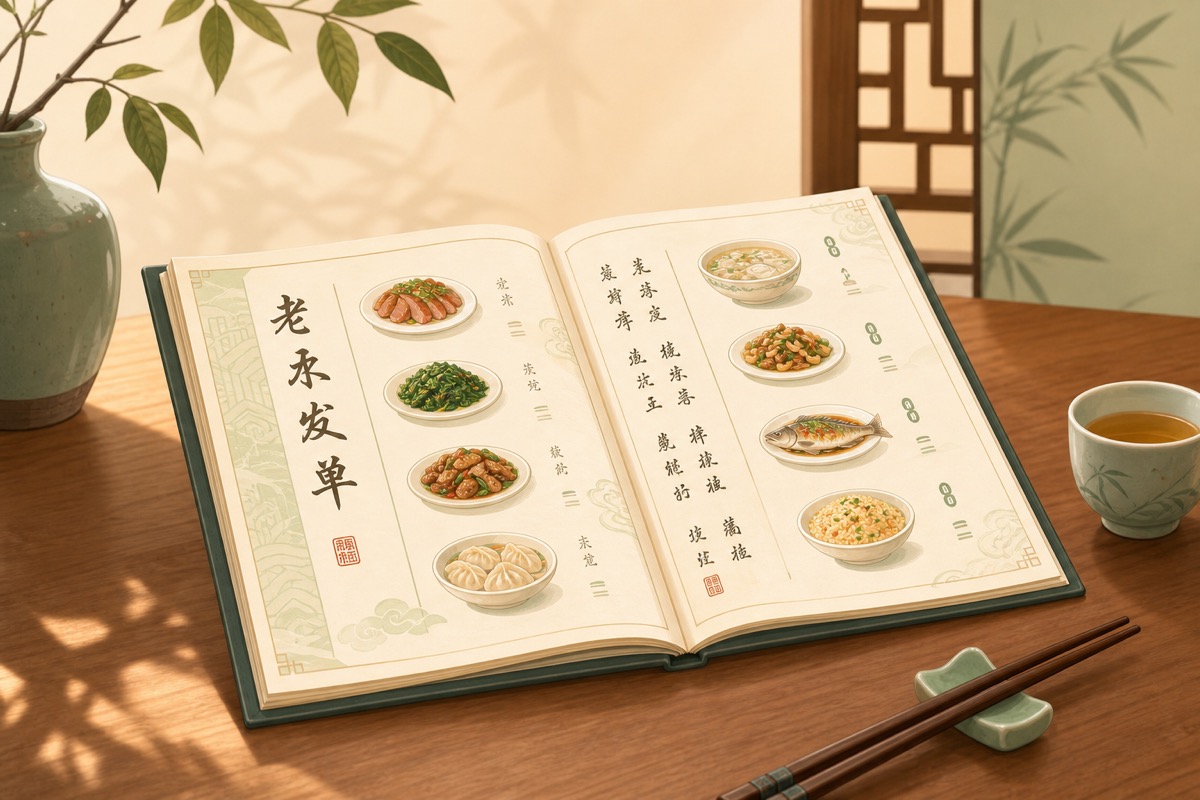
How Chinese menus are usually organized
Menus vary by restaurant type, but many follow a similar structure.
Cold dishes / appetizers. Salads, marinated vegetables, cold noodles, and small plates meant to start the meal.
Meat and poultry. Pork, chicken, duck, and beef dishes, often sorted by cooking method.
Seafood. Whole fish, shrimp, crab, and shellfish, especially prominent in coastal cities.
Vegetables. Stir-fried greens, eggplant, tofu, and mixed vegetable plates.
Soups. Clear soups, clay pot soups, and sharing soups for the table.
Staples. Rice, noodles, dumplings, buns, and fried rice.
Drinks and desserts. Tea, soft drinks, beer, and sometimes sweet soups or pastries.
Knowing the section helps narrow your search quickly. If you want something lighter, start with vegetables, soups, or staples rather than jumping into complex sauced meat dishes.
Common naming patterns that repeat everywhere
Once you recognize these patterns, dozens of menu items become easier to interpret.
Stir-fry names often combine ingredient + style. Examples include garlic broccoli, sour and spicy potato shreds, or cumin lamb. The main ingredient is sometimes named, sometimes implied.
"Braised" or "red-cooked" usually means soy-based savory sauce. These dishes are often richer and may contain sugar, soy sauce, and aromatics.
"Dry pot" or "hot pot style" suggests strong seasoning and shared flavoring. Ingredients may be mixed with chili, garlic, and fermented sauces.
"Steamed" is often simpler and easier to customize. Steamed fish, steamed egg, or plain vegetables may be easier to confirm than heavily sauced dishes.
Regional tags matter. "Sichuan" often means chili and numbing peppercorn. "Cantonese" often means lighter and fresher. "Northeastern" portions may be larger and heavier.
Characters and words worth recognizing
You do not need to read fluent Chinese to benefit from a few key characters.
- 肉 — meat
- 猪 — pork
- 鸡 — chicken
- 牛 — beef
- 羊 — lamb
- 鱼 — fish
- 虾 — shrimp
- 素 — vegetarian
- 汤 — soup
- 面 — noodles
- 饭 — rice
If a menu item includes one of these characters, you already have a clue. If it does not, that does not mean the dish is safe or meat-free. It may simply use a poetic name.
Why ingredient guessing from English fails
English menu translations in China are inconsistent. Some restaurants use professional translations. Others use machine translation or simplified one-word labels.
Common problems include:
- "Spicy tofu" without mentioning pork mince
- "Vegetable noodles" without mentioning pork stock
- "Chicken soup" that actually refers to a mixed house soup
- Beautiful marketing names that hide ordinary ingredients
Treat English on the menu as a hint, not proof.
How to judge what a dish probably contains
Use a simple decision process:
- Check the section. Seafood section? Likely shellfish or fish-based sauces.
- Look for key characters. Pork, chicken, beef, shrimp, or vegetarian markers.
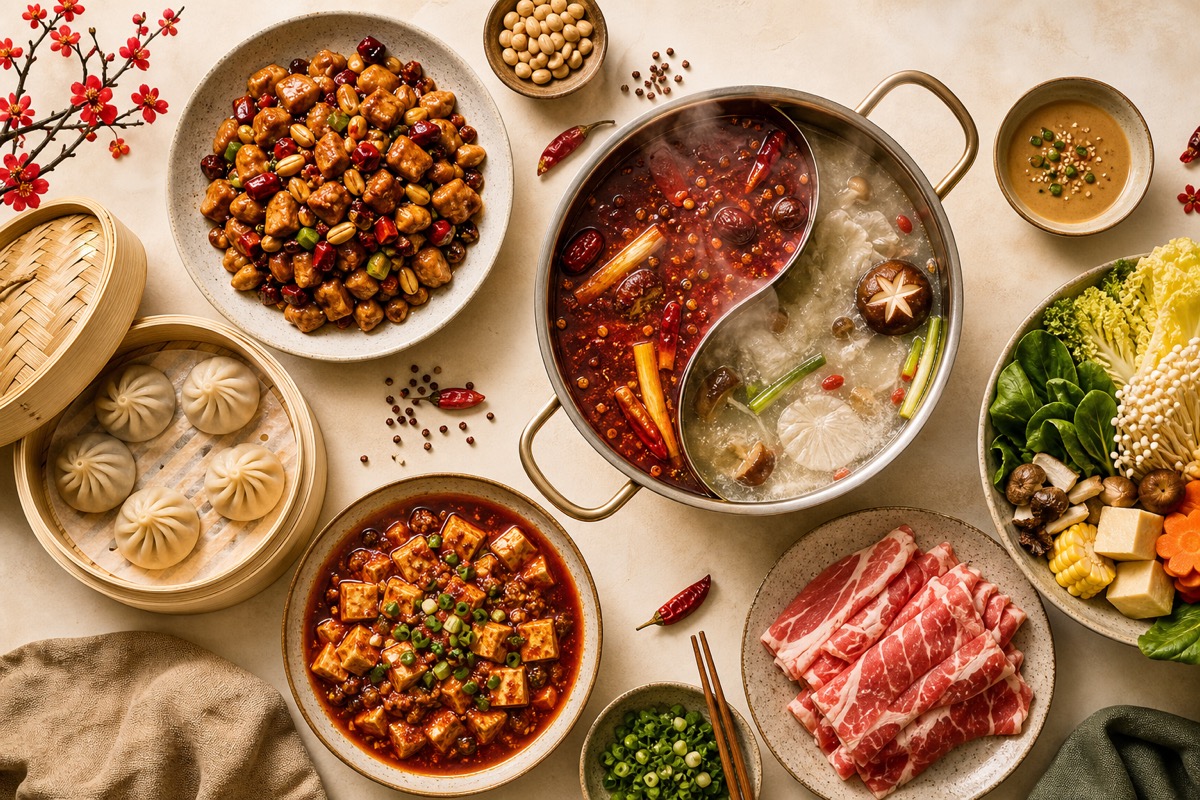
- Identify the style. Mapo, kung pao, and oyster-sauce styles have common patterns.
- Estimate complexity. The more complex the sauce, the harder it is to verify allergens or hidden meat.
- Confirm with staff if it matters. For dietary or allergy needs, never stop at the name alone.
This process is faster than it sounds once you have eaten out a few times.
Picture menus and QR code menus
In many urban restaurants, especially those used to tourists, you will see photos beside dish names. Photos help, but they are not perfect. They may show the ideal version of a dish rather than the exact local variation.
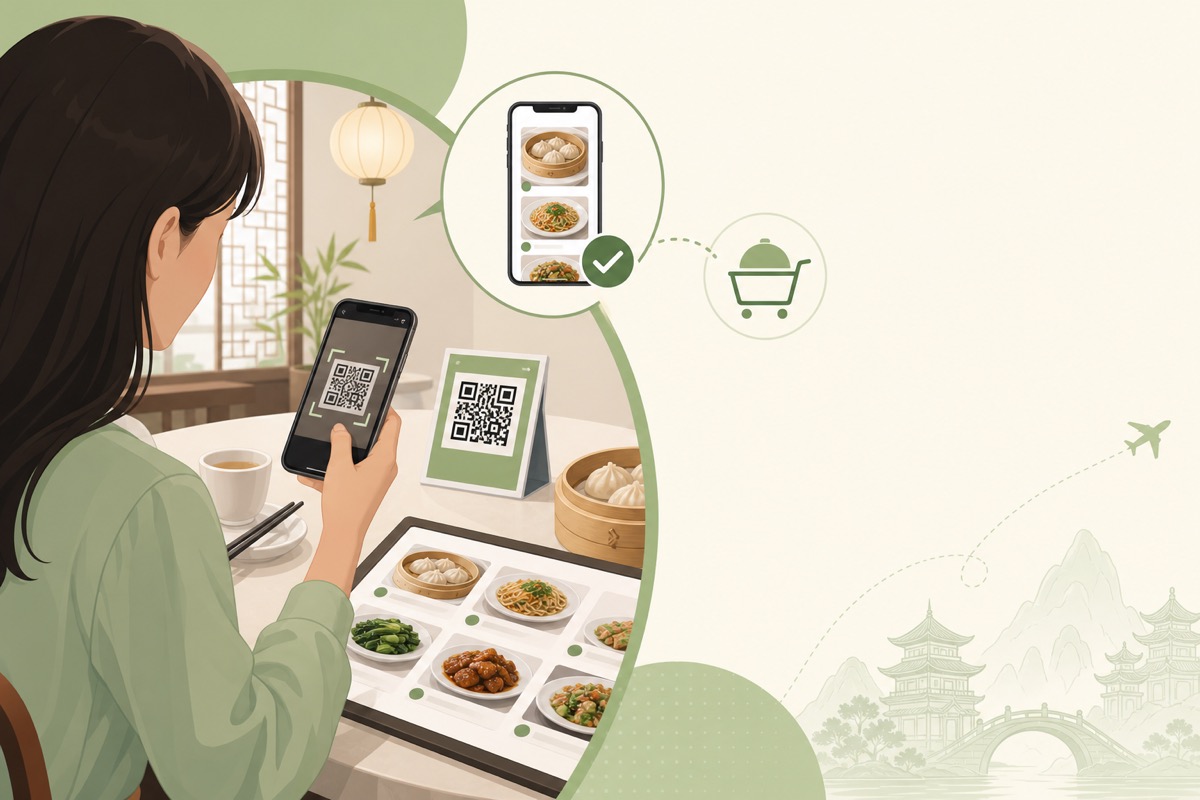
QR code ordering is now common. You scan a code at the table and order on your phone. Some systems offer English or pictures. Others remain Chinese-only. Translation apps with screen translation become very useful here.
If the QR menu has no English, screenshot items you are considering and translate them one by one rather than rushing an order.
How to avoid misunderstandings when ordering
These habits reduce mistakes:
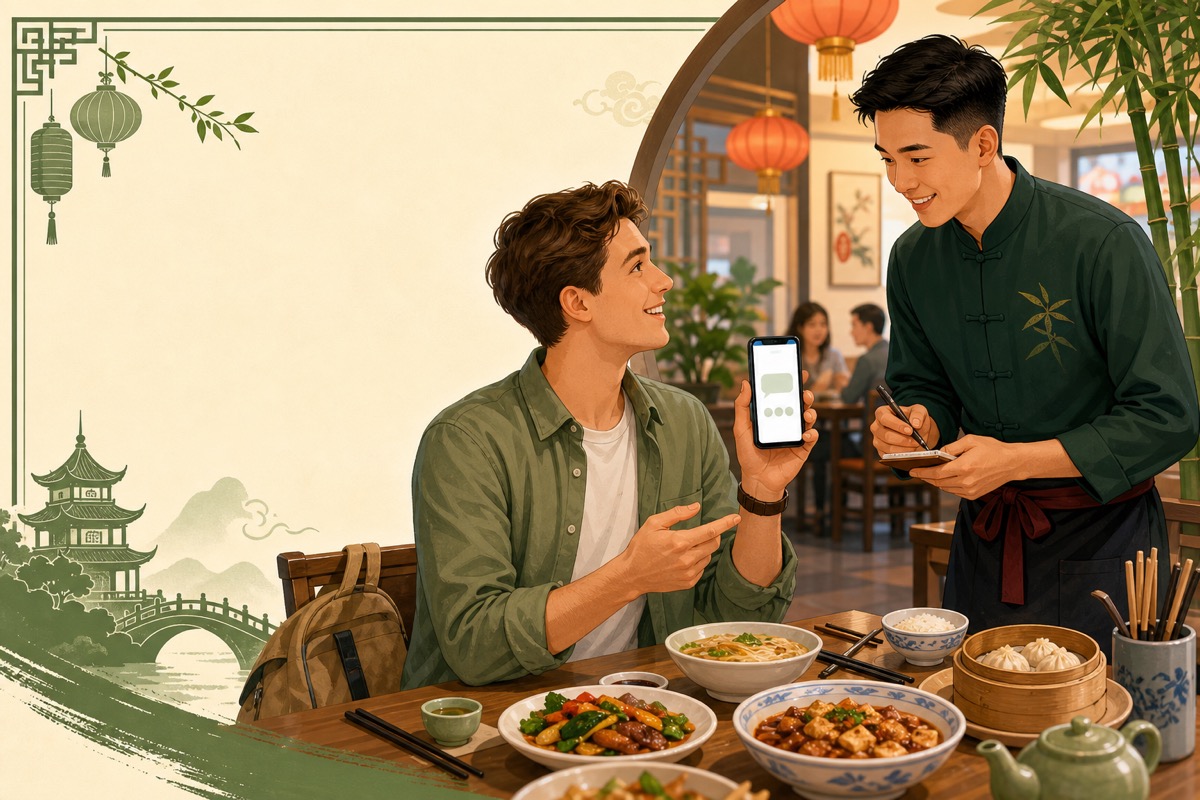
- Point to a photo and ask, "What is this?"
- Show a note explaining dietary restrictions
- Ask whether the dish is spicy, sweet, or sour before ordering
- Confirm the main protein and cooking oil
- Order one safe dish first if you are unsure about the restaurant
If you are eating with a group, let one person test a restaurant's communication quality before everyone orders something risky.
What to do when the menu is overwhelming
If you are tired, hungry, and facing a ten-page menu, simplify.
Choose from:
- Steamed rice plus one clearly named protein dish
- One vegetable dish and one staple
- A restaurant specializing in one category, such as dumplings or noodles
Specialist restaurants are often easier for foreigners because the menu scope is narrower and staff know the dishes well.
Menu reading in different restaurant settings
Fine dining or hotel restaurants usually offer clearer service and better English, but not always accurate ingredient detail.
Neighborhood family restaurants may have the most authentic food and the least translated menu.
Chain restaurants can be easier for consistency and photos.
Night markets and food courts move fast, and menu names may be abbreviated. These are better for adventurous eating than for strict dietary needs.
Match your restaurant choice to your comfort level.
Practice makes the menu feel smaller
After a few meals in China, patterns start repeating. You will see the same cooking methods, the same staple dishes, and the same regional flavor words again and again. The menu stops feeling infinite and starts feeling like a set of variations.
That is the moment when travel eating becomes much more enjoyable.
Final thoughts
Reading a Chinese menu is less about perfect translation and more about recognizing structure, asking better questions, and knowing when a dish name is poetic rather than literal. With a little practice, you can move from random pointing to informed ordering.
If the worry is an ingredient, not the characters — peanut allergy or no pork, first meal. Then order without speaking Chinese and dining phrases.