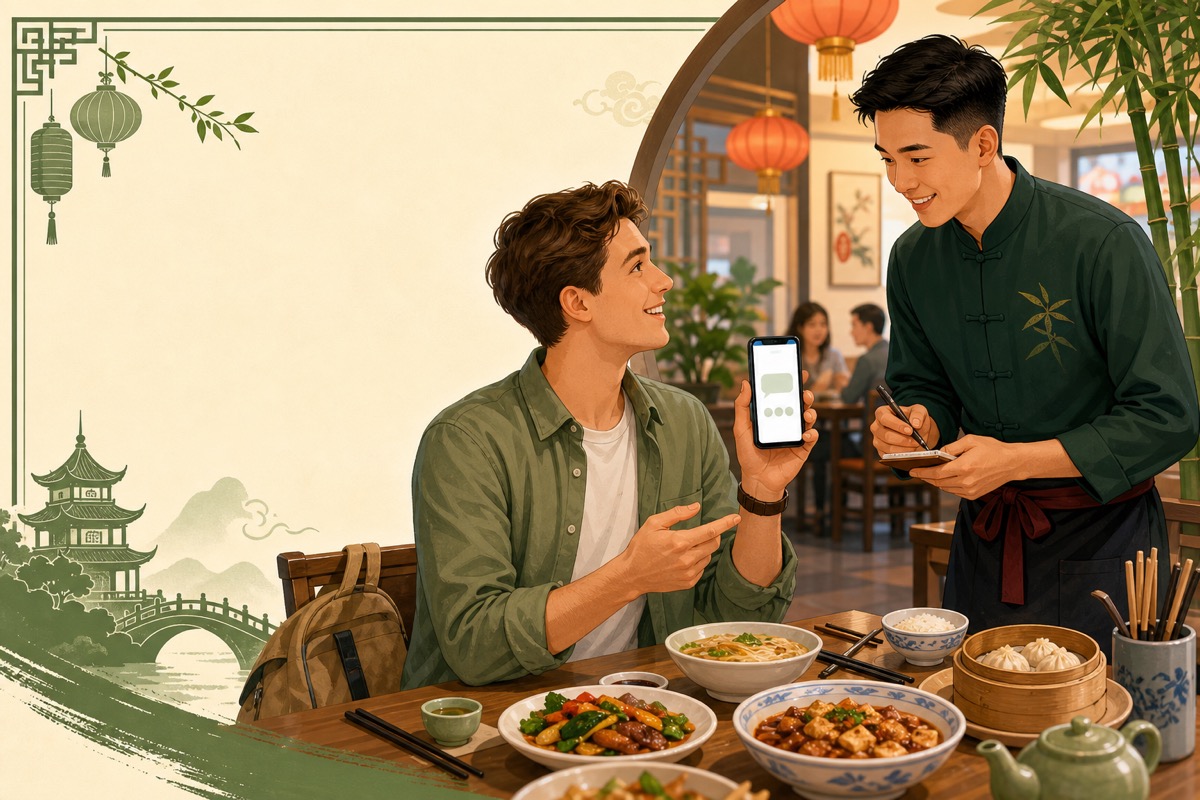
You finish a good meal at a busy local restaurant in Chengdu. The food was excellent, the staff were attentive, and you reach for your wallet wondering how much to leave on top. In the US or much of Europe, that moment is automatic — calculate 15 to 20 percent, leave it on the table, done.
In mainland China, that instinct can create an awkward pause. There is no tip line on the receipt. Nobody mentions gratuity. When you try to leave extra cash, the waiter may chase you down the street to return it, thinking you made a mistake.
For first-time visitors, China's dining culture can feel refreshingly simple — or quietly confusing if you are expecting Western service norms.
The Short Answer
No, you do not tip at restaurants in mainland China. There is no tipping culture, no standard service charge at most eateries, and no social expectation that you pay beyond the listed price. You order food, eat, pay the bill, and leave. That is the normal flow.
This does not mean service is bad or that staff are underpaid in a way that requires your supplement. Tipping simply is not part of how Chinese restaurants operate. Understanding this early saves you from odd moments at the checkout and helps you read the bill correctly.
What Usually Happens in China
Most Chinese restaurants — from noodle shops to mid-range family restaurants — price everything on the menu and charge exactly that. Shared dishes come to the table as they are ready. Water or tea may appear without you ordering it. When you are finished, you call for the bill, check the total, pay, and go.
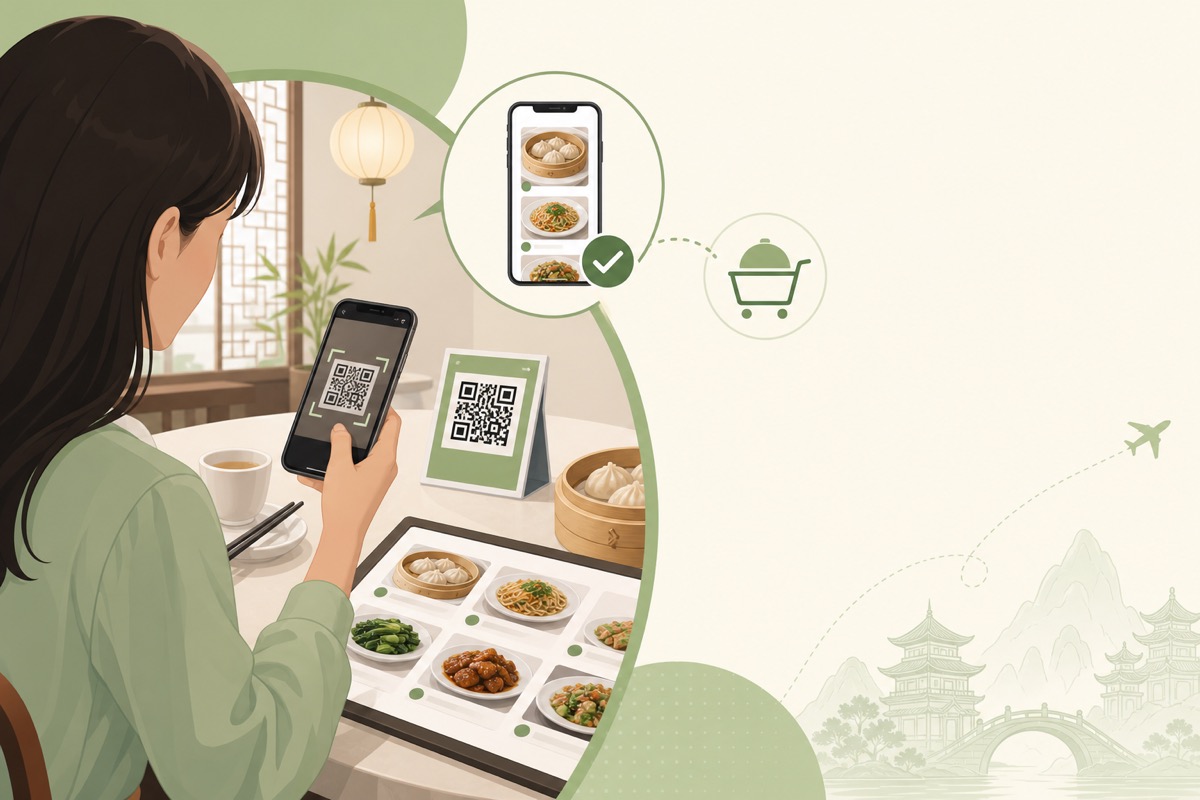
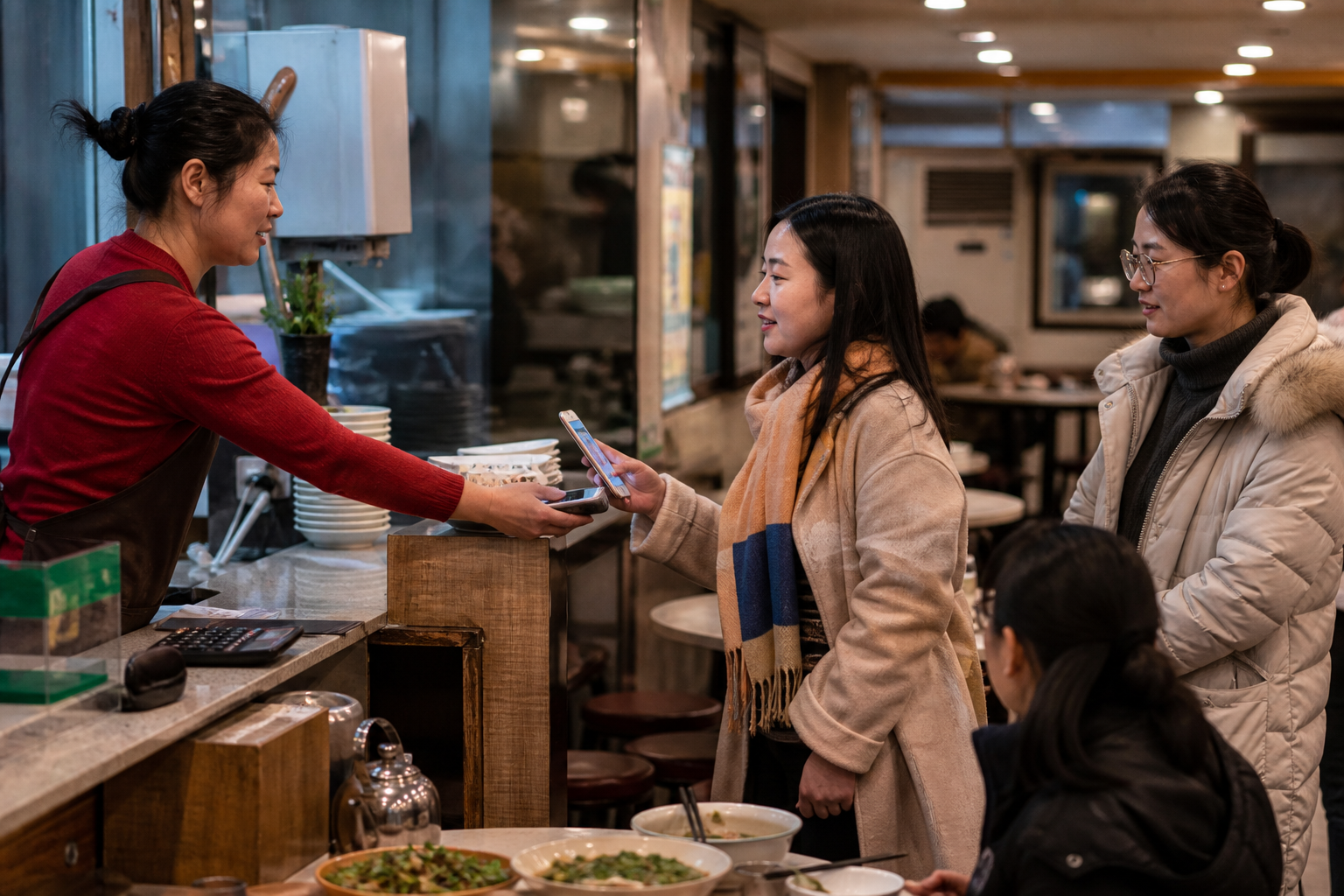
Payment is increasingly mobile. Many places expect WeChat Pay or Alipay via QR code. Some tourist-friendly restaurants accept cash. International credit cards work mainly at hotels, chains, and larger city restaurants — not reliably at small local spots.
Service style is usually practical rather than performative. Waiters may not check in every ten minutes or refold your napkin. That is normal. It does not mean they expect a tip to improve. It reflects a different rhythm: food comes quickly, you eat, you pay, the table turns.
There are exceptions. High-end hotels, some fine-dining restaurants in Shanghai or Beijing, and venues catering heavily to international tourists may add a service fee or accept tips without confusion. These are the minority. For everyday China travel dining, assume no tip.
Common Situations That Confuse Travelers
| Situation | Why It Matters | What to Know |
|---|---|---|
| Paying the bill | Travelers often look for a tip line or round up automatically | Pay the exact total. Saying "买单" (mǎidān) or gesturing for the bill is standard |
| Tea or table charge | Some restaurants charge a small fee for tea, peanuts, or towels | Usually a few yuan per person — not a tip. It should appear on the bill |
| Shared dishes | Everyone eats from the same plates | Bill is typically one total for the table, split however your group agrees |
| Aggressive rounding up | Leaving extra cash may confuse staff | They may return it. Tipping is not interpreted as gratitude the way it is in the West |
| Hotel or upscale dining | Different rules may apply | Check whether a service charge is already included before adding anything |
| Street food and counters | No table service at all | Pay when you order. No tip, no bill at the end |
Useful Chinese Phrases
| English | 中文 | Pinyin |
|---|---|---|
| The bill, please | 买单 | Mǎidān |
| How much is it? | 多少钱? | Duōshao qián? |
| Can I pay by mobile payment? | 可以扫码支付吗? | Kěyǐ sǎomǎ zhīfù ma? |
| Is there a tea charge? | 茶位费是多少? | Cháwèi fèi shì duōshao? |
| Keep the change (avoid using this) | 不用找了 | Búyòng zhǎo le |
The last phrase means "keep the change" — useful only if you genuinely do not want small coins back, not as a tip. For a few yuan of change at a street stall, it is fine. At a sit-down restaurant, skipping a tip entirely is still the norm.
Safer Options
Assume the menu price is the final price. At casual restaurants, what you see is what you pay, plus any small fixed charges like tea that should be listed or explained.
Pay by QR code if you can. Setting up WeChat Pay or Alipay before your trip makes dining much smoother. See our help center guides if you need setup help.
Carry some cash as backup. Especially at smaller cities, morning markets, and old-town food stalls where mobile payment is assumed but foreign cards are not accepted.
Do not feel rude for not tipping. Staff are not waiting for it. A simple "谢谢" (thank you) when leaving is perfectly appropriate.
At hotels and upscale restaurants, read the bill carefully. Look for "服务费" (service charge). If it is already there, you do not need to add more.
Split bills among friends your own way. Restaurants rarely split checks by person. One person pays, and the group settles later — common and accepted.
Final Tip
When in doubt, pay exactly what the bill says and thank the staff verbally. That is the complete transaction in most of China — not a missing step, but the whole custom.
Traveling through China with dietary restrictions can be challenging, especially when menus don't clearly list ingredients. Learning a few Chinese phrases and understanding which dishes commonly contain pork, peanuts, or seafood can make ordering much easier and safer.